
Informacje o publikacji


| Wydanie: | 1 |
| Miejsce i rok wydania: | Warszawa 2025 |
| Język publikacji: | polski |
| ISBN/ISSN: | 978-83-235-7096-7 |
| EAN: | 9788323570967 |
| Oprawa: | Miękka |
| Format: | 17x24 cm |
| Sposób publikacji: | Druk |
| Typ publikacji: | Praca naukowa |
| DOI: | https://doi.org/10.31338/uw.9788323570981 |
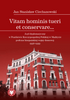
Książka ukazuje kulisy udzielenia przez Poselstwo RP w Madrycie kilkuset osobom azylu podczas hiszpańskiej wojny domowej (1936–1939). Decydującą rolę w tych działaniach odegrali chargé d’affaires Leopold Koziebrodzki, organizator Schroniska Polskiego i jego administrator inż. Stefan Hoenigsfeld oraz poseł RP Marian Szumlakowski, który wynegocjował i przeprowadził ewakuację uchodźców za granicę. Schronienie znalazło około 400 osób, z których 133 objęto oficjalnym azylem, a 120 – w tym najbardziej zagrożonych oficerów – wywieziono do Polski na pokładzie ORP „Wilja”. Publikacja przybliża mało znany, a zarazem poruszający przykład skuteczności i humanitaryzmu przedstawicieli Rzeczypospolitej w obliczu zagrożenia ludzkiego życia.
******
Vitam hominis tueri et conservare… The Diplomatic Asylum at the Legation of the Republic of Poland in Madrid During the Spanish Civil War 1936-1939
The book reveals the behind-the-scenes story of how the Polish Legation in Madrid granted asylum to hundreds of refugee seekers during the Spanish Civil War (1936–1939). A decisive role in these activities was played by chargé d'affaires Leopold Koziebrodzki, engineer Stefan Hoenigsfeld, the organiser of the Polish Refuge and its administrator, and Polish envoy Marian Szumlakowski, who negotiated and carried out the evacuation of refugees abroad. Around 400 people found shelter, 133 of whom were granted official asylum, while 120 – including the most endangered officers – were transported to Poland aboard the ORP Wilja. The publication presents a little-known and moving example of the effectiveness and humanitarianism of representatives of the Republic of Poland in the face of a threat to human life.
Keywords: Spanish Civil War 1936–1939, diplomatic asylum, diplomatic law, Spain, Poland
******
Vitam hominis tueri et conservare… The Diplomatic Asylum at the Legation of the Republic of Poland in Madrid During the Spanish Civil War 1936-1939
The book reveals the behind-the-scenes story of how the Polish Legation in Madrid granted asylum to hundreds of refugee seekers during the Spanish Civil War (1936–1939). A decisive role in these activities was played by chargé d'affaires Leopold Koziebrodzki, engineer Stefan Hoenigsfeld, the organiser of the Polish Refuge and its administrator, and Polish envoy Marian Szumlakowski, who negotiated and carried out the evacuation of refugees abroad. Around 400 people found shelter, 133 of whom were granted official asylum, while 120 – including the most endangered officers – were transported to Poland aboard the ORP Wilja. The publication presents a little-known and moving example of the effectiveness and humanitarianism of representatives of the Republic of Poland in the face of a threat to human life.
Keywords: Spanish Civil War 1936–1939, diplomatic asylum, diplomatic law, Spain, Poland