Informacje o publikacji

| Wydanie: | 1 |
| Miejsce i rok wydania: | Warszawa 2025 |
| ISBN/ISSN: | 978-83-235-7051-6 |
| EAN: | 9788323570516 |
| Liczba stron: | 466 |
| Sposób publikacji: | PDF |
| Typ publikacji: | Praca naukowa |
| DOI: | https://doi.org/10.31338/uw.9788323570516 |
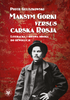
Maksym Gorki to nie tylko jeden z najpopularniejszych pisarzy przełomu XIX i XX wieku, lecz także kluczowa postać dla zrozumienia przyczyn rosyjskiej rewolucji. Autor monografii zarówno rekonstruuje biografię pisarza, jak i szuka odpowiedzi na pytanie o źródła sowieckiego totalitaryzmu: czy był on konsekwencją rosyjskiego samodzierżawia, czy też wynikał z utopijnej wizji zakładającej permanentną transformację człowieka. Książka ukazuje korzenie rosyjskiego imperializmu i jednocześnie wyjaśnia przyczyny powodzenia bolszewików w 1917 roku. Prezentuje także panoramę schyłkowego Cesarstwa Rosyjskiego, ponieważ Gorki regularnie spotykał się z najwybitniejszymi przedstawicielami świata literatury (Lew Tołstoj, Anton Czechow, Iwan Bunin), sztuki (Fiodor Szalapin, Władimir Niemirowicz-Danczenko) i polityki (Włodzimierz Lenin, Aleksandr Bogdanow, Anatolij Łunaczarski, Sergiusz Witte), ale zawsze pamiętał też o robotnikach i o chłopach, a życie na dnie znał z autopsji.
******
Maxim Gorky vs Tsarist Russia: The Literary and Ideological Path to Revolution
Maxim Gorky was one of the most popular writers of the turn of the 20th century but also a figure key to understanding the causes of the Russian Revolution. The monograph both reconstructs Gorky’s biography and attempts to identify the sources of Soviet totalitarianism: whether it was a consequence of Russian autocracy or a utopian project of never ending transformation of the human being. To this end it examines the roots of Russian imperialism and explains the reasons for the Bolsheviks’ success in 1917. The book also offers a panorama of the dusk of the Russian Empire, since Gorky met with the most prominent men of letters (Leo Tolstoy, Anton Chekhov, Ivan Bunin), artists (Feodor Chaliapin, Vladimir Nemirovich-Danchenko), and politicians (Vladimir Lenin, Alexandre Bogdanov, Anatoly Lunacharsky. Serge Witte) but never forgot about peasants and workers, whose life at The Lower Depths he knew from personal experience.
Keywords: Maxim Gorky, Russia, revolution, war, Lenin.
******
Maxim Gorky vs Tsarist Russia: The Literary and Ideological Path to Revolution
Maxim Gorky was one of the most popular writers of the turn of the 20th century but also a figure key to understanding the causes of the Russian Revolution. The monograph both reconstructs Gorky’s biography and attempts to identify the sources of Soviet totalitarianism: whether it was a consequence of Russian autocracy or a utopian project of never ending transformation of the human being. To this end it examines the roots of Russian imperialism and explains the reasons for the Bolsheviks’ success in 1917. The book also offers a panorama of the dusk of the Russian Empire, since Gorky met with the most prominent men of letters (Leo Tolstoy, Anton Chekhov, Ivan Bunin), artists (Feodor Chaliapin, Vladimir Nemirovich-Danchenko), and politicians (Vladimir Lenin, Alexandre Bogdanov, Anatoly Lunacharsky. Serge Witte) but never forgot about peasants and workers, whose life at The Lower Depths he knew from personal experience.
Keywords: Maxim Gorky, Russia, revolution, war, Lenin.
Zobacz również


Update Required
To play the media you will need to either update your browser to a recent version or update your Flash plugin.